
Working as a 1099 CRNA brings financial responsibilities that differ from traditional W2 employment. Many CRNAs are moved into contractor roles based on staffing changes, which adds new requirements for taxes, quarterly payments, and expense tracking. Accolade Accounting helps CRNAs understand these changes and stay organized.

CRNAs working under 1099 contracts face tax and reporting requirements that do not apply to W2 roles. Income management, deductions, and quarterly tax payments become part of your regular workflow. Accolade Accounting helps CRNAs understand what needs to be tracked and how to maintain accurate records throughout the year.
We work with CRNAs in various practice settings and understand the IRS rules that apply to this profession. When you work with us, you receive clear steps for staying compliant and avoiding common mistakes.
Many CRNAs are transitioning to 1099 status due to employment changes made by hospitals and anesthesia groups. This shift is usually not voluntary. The change can happen quickly, leaving CRNAs with new administrative responsibilities that require immediate attention.
A 1099 CRNA must handle:
These responsibilities are manageable with the right structure in place.
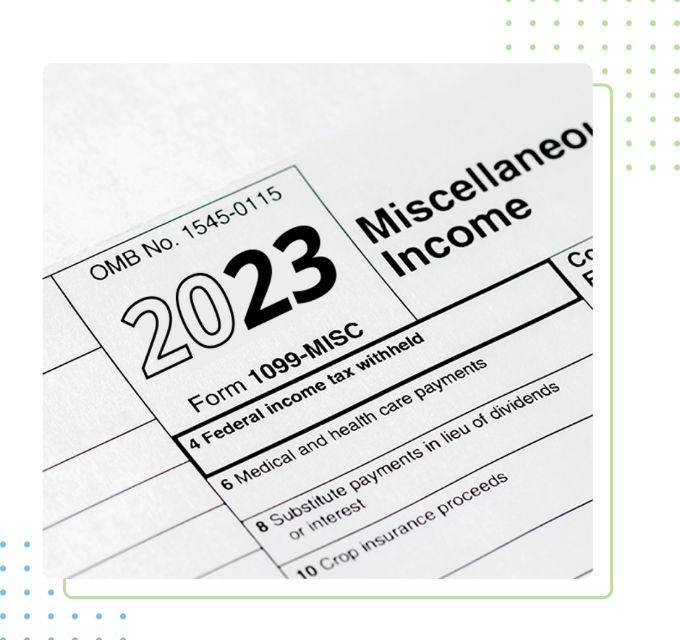
After being reclassified as a contractor, a CRNA must decide whether to file taxes as an individual or form a business entity. Each option affects how your income is taxed and what planning opportunities are available.
If you are unsure which option fits your situation, our team can help you compare them.
A change to 1099 status often requires CRNAs to evaluate business structures for the first time. Your entity choice affects income reporting, tax strategy, and how you manage your financial records.
Your goals, income level, and risk factors all contribute to the right decision. Our CPAs can help you review the options.
CRNAs benefit from working with an accountant who understands anesthesia staffing arrangements, variable income, and allowable deductions.
DIY tax software often fails to account for quarterly payments and industry-specific expenses. A CPA familiar with CRNA work supports accurate reporting and helps prevent common errors.
Cash based accounting often fits CRNAs because it aligns with how income is received. Our team can help confirm the best method for your practice.
Accolade Accounting provides support tailored to CRNAs who are adjusting to 1099 work. We offer secure access to financial information and help you manage both business and clinical responsibilities.
Our team helps CRNAs organize their finances, monitor income and expenses, and plan for tax obligations throughout the year.